Source battery warning stickers for Shipping, Product, and Warning Labeling
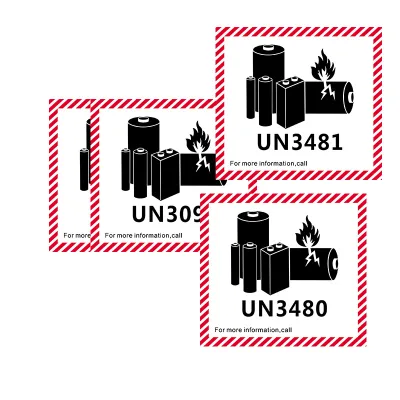
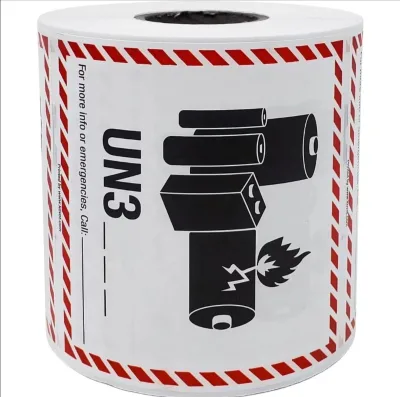
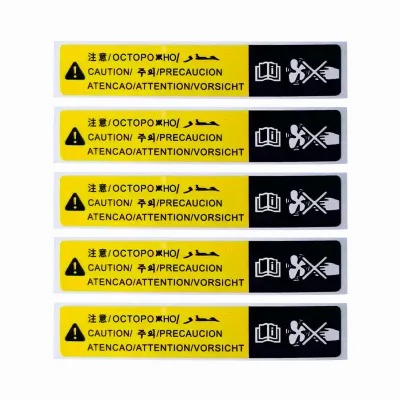
Find 30 verified options for battery warning stickers suitable for shipping, product, and warning labeling. Buyers can compare customization, material, and pricing details from multiple suppliers in one place.
Key considerations
Products List








Comprehensive Sourcing Guide
Strategic Sourcing Guide for Battery Warning Stickers
The procurement of specialized battery warning stickers requires a rigorous approach that balances regulatory compliance, material durability, and operational scalability. In the industrial and consumer electronics sectors, these labels serve as critical safety communication tools, ensuring that users and handlers are aware of potential hazards associated with lithium-ion and other battery types. Sourcing these items effectively demands a deep understanding of the underlying material science, printing technologies, and supply chain dynamics. This guide outlines the essential factors for buyers to consider when evaluating potential suppliers and selecting the right product specifications for their specific operational needs.
Technical Specifications and Material Composition
The foundation of a reliable battery warning sticker lies in its material composition and physical properties. Unlike standard paper labels, battery warning stickers must withstand harsh environments, including temperature fluctuations and potential chemical exposure. The supplied market data indicates that high-performance options often utilize Polyester (PET) or PVC as primary surface materials. These synthetic substrates offer superior resistance to tearing, moisture, and UV degradation compared to traditional paper, which is essential for equipment that may be stored in varying conditions.
A critical technical attribute is the adhesive type. For battery applications, a permanent adhesive is generally required to ensure the label remains affixed throughout the product's lifecycle, preventing accidental removal or peeling. The backing paper, often glassine, provides a smooth release surface that facilitates high-speed application on automated labeling lines. Furthermore, the transparency and opacity of the label are vital; opaque materials are preferred for warning labels to ensure that the text and symbols are clearly visible against any background surface, eliminating ambiguity.
The shape of the sticker is another variable that buyers must define. While standard geometric shapes like rectangles, circles, and squares are common, the market supports custom shapes to fit unique battery housings or specific regulatory requirements. The ability to customize the size and shape allows for precise application on complex battery geometries. Additionally, the printing technology employed significantly impacts the longevity and clarity of the warning message. Advanced techniques such as screen printing, offset printing, flexographic printing, and digital printing are available, each offering distinct advantages in terms of color fidelity, durability, and production speed.
Compliance, Certification, and Regulatory Standards
Safety labeling is heavily regulated, and non-compliance can lead to significant legal and operational risks. When sourcing battery warning stickers, buyers must verify that suppliers adhere to recognized international standards. The presence of ISO 9001 and SGS certifications is a strong indicator of a supplier's commitment to quality management and product safety. These certifications suggest that the manufacturing processes are controlled and that the products undergo rigorous testing for consistency and reliability.
However, certifications alone are not a substitute for specific regulatory compliance. Buyers should verify that the labels meet the specific safety standards required for the target market, such as those set by the International Electrotechnical Commission (IEC) or local regulatory bodies. The labels must clearly display hazard symbols and text that are legible and durable. The material used must not degrade under the conditions specified by the battery manufacturer, ensuring that the warning remains visible and effective.
The H.S. Code 48211000 identifies the product category as paper or paperboard labels, which is a crucial detail for importers to understand for customs clearance and duty calculation. While the material may be synthetic (PET or PVC), the classification often depends on the specific composition and backing. Buyers must ensure that their suppliers provide accurate documentation regarding the product classification to avoid delays at customs. Additionally, the supplier should be able to provide test results or data sheets that confirm the label's resistance to water, heat, and chemicals, as these are common failure points for safety labels in industrial settings.
Cost Drivers and Pricing Dynamics
The cost of battery warning stickers is influenced by a complex interplay of factors, including material selection, customization level, order volume, and printing complexity. The observed market price range for these products varies significantly, from as low as $0 to over $100, reflecting the diversity of product configurations. This wide range underscores the importance of defining precise requirements before requesting quotes.
One of the primary cost drivers is the level of customization. Custom shapes, sizes, and content require additional tooling and setup time, which increases the unit cost. Suppliers offering custom material, content, usage, and size options typically charge a premium for these services. The choice of printing technology also impacts pricing; digital printing is cost-effective for small runs but may be more expensive per unit for large volumes compared to flexographic or offset printing.
Order volume plays a pivotal role in pricing strategies. The market data shows a wide range of Minimum Order Quantities (MOQ), from as low as 1 piece to as high as 100,000 pieces. While some suppliers offer low MOQs to accommodate prototyping or small-batch needs, larger orders often benefit from economies of scale, reducing the per-unit cost. Buyers should be aware that the stated MOQ of 100 or 3000 pieces may vary by supplier and product model. Understanding the tiered pricing structure is essential for budgeting and negotiating favorable terms.
Typical Applications and Usage Scenarios
Battery warning stickers are utilized across a broad spectrum of industries, each with unique requirements for label durability and visibility. Common applications include warning labeling for battery packs, shipping labeling for hazardous materials, and product labeling for consumer electronics. The versatility of these stickers allows them to be used in bottled beverage packaging, medicine packaging, and general packaging films, provided the adhesive and material are suitable for the specific environment.
In the automotive and aerospace sectors, battery warning stickers must withstand extreme temperature variations, from high heat in engine compartments to low temperatures in cargo holds. The observed temperature resistance of these labels, covering room, low, and high temperatures, makes them suitable for such demanding applications. Similarly, in the logistics industry, shipping labels must remain legible and intact during transit, which requires high water resistance and strong adhesives.
The specific usage context dictates the choice of label features. For example, labels used on outdoor equipment must be UV-resistant and waterproof, while those used in cleanroom environments may require specific material properties to prevent contamination. Buyers should evaluate the specific environmental conditions their products will face and select labels that are engineered to withstand those conditions. The ability to customize the artwork and content allows for the inclusion of specific safety instructions, barcodes, and regulatory symbols tailored to the application.
Supplier Evaluation and Quality Control
Selecting the right supplier is a critical step in the procurement process. Buyers should prioritize suppliers who demonstrate transparency in their manufacturing capabilities and quality control processes. The availability of design drawings in formats such as AI, PSD, PDF, and CDR indicates a supplier's readiness to handle custom design requests efficiently. This flexibility is essential for ensuring that the final product meets the buyer's exact specifications.
Quality control measures should be a key criterion in supplier evaluation. Buyers should request samples to test the label's adhesion, durability, and print quality. The acceptance of samples is a positive indicator of a supplier's confidence in their product. Additionally, buyers should verify the supplier's production capacity and lead times. The observed delivery times of 7 to 10 days suggest a relatively agile supply chain, but buyers should confirm these timelines for their specific order volume and customization requirements.
The supplier's location and shipping capabilities are also important factors. Suppliers based in regions like Wuxi or Jiangsu, with access to major ports such as Shanghai, Ningbo, and Wuxi, can offer efficient logistics solutions. Buyers should evaluate the supplier's ability to handle export packaging, such as carton boxes or export cartons, to ensure the labels arrive in perfect condition. Payment terms, including options like T/T, PayPal, and Western Union, should be negotiated to align with the buyer's financial policies and risk tolerance.
Long-Term Procurement Considerations
Sourcing battery warning stickers is not a one-time transaction but a long-term partnership that requires ongoing management. Buyers should consider the scalability of their supply chain to accommodate future growth or changes in product design. The ability of the supplier to maintain consistent quality over time is crucial for maintaining brand reputation and regulatory compliance.
Buyers should also monitor market trends and technological advancements in label materials and printing technologies. As regulations evolve and new battery chemistries emerge, the requirements for warning labels may change. A proactive supplier who stays informed about these developments can provide valuable insights and solutions to keep the buyer ahead of the curve.
Finally, buyers should establish clear communication channels with their suppliers to ensure that any issues are addressed promptly. Regular reviews of performance metrics, such as defect rates and delivery times, can help identify areas for improvement and foster a collaborative relationship. By focusing on these long-term considerations, buyers can build a resilient supply chain that supports their business objectives and ensures the safety and reliability of their products.
FAQs
What materials are used for battery warning stickers?
Battery warning stickers typically use Polyester PET or PVC as surface materials. These synthetic substrates offer superior resistance to tearing, moisture, and UV degradation compared to traditional paper, ensuring durability in harsh environments.
Which certifications should suppliers possess for these labels?
Suppliers should possess ISO 9001 and SGS certifications to demonstrate commitment to quality management and product safety. These certifications indicate that manufacturing processes are controlled and products undergo rigorous testing for consistency and reliability.
How long is the delivery time for custom orders?
The standard delivery time for custom orders is typically 7 to 10 days. This agile supply chain timeline allows for efficient production, though specific lead times may vary based on order volume and customization requirements.
Can I customize the shape and size of the stickers?
Yes, customization for material, content, usage, size, and shape is available. Buyers can request custom shapes like rectangles, circles, or squares to fit unique battery housings or specific regulatory requirements.
What is the minimum order quantity for these labels?
Minimum order quantities vary by supplier, ranging from 100 pieces to 3000 pieces or more. Some suppliers offer low MOQs for prototyping, while larger orders often benefit from economies of scale to reduce unit costs.
Are the stickers waterproof and temperature resistant?
Yes, these stickers are waterproof and resistant to room, low, and high temperatures. This durability ensures the warning labels remain legible and intact during transit or in varying environmental conditions.
Where are the manufacturers located and what are the shipping ports?
Manufacturers are located in Wuxi and Jiangsu, with shipping ports available in Shanghai, Wuxi, and Ningbo. This strategic location facilitates efficient logistics and export packaging for international buyers.